









University of Exeter Press
Waste and the Hygienic Imagination
Perspectives from American Literature and Culture
Couldn't load pickup availability
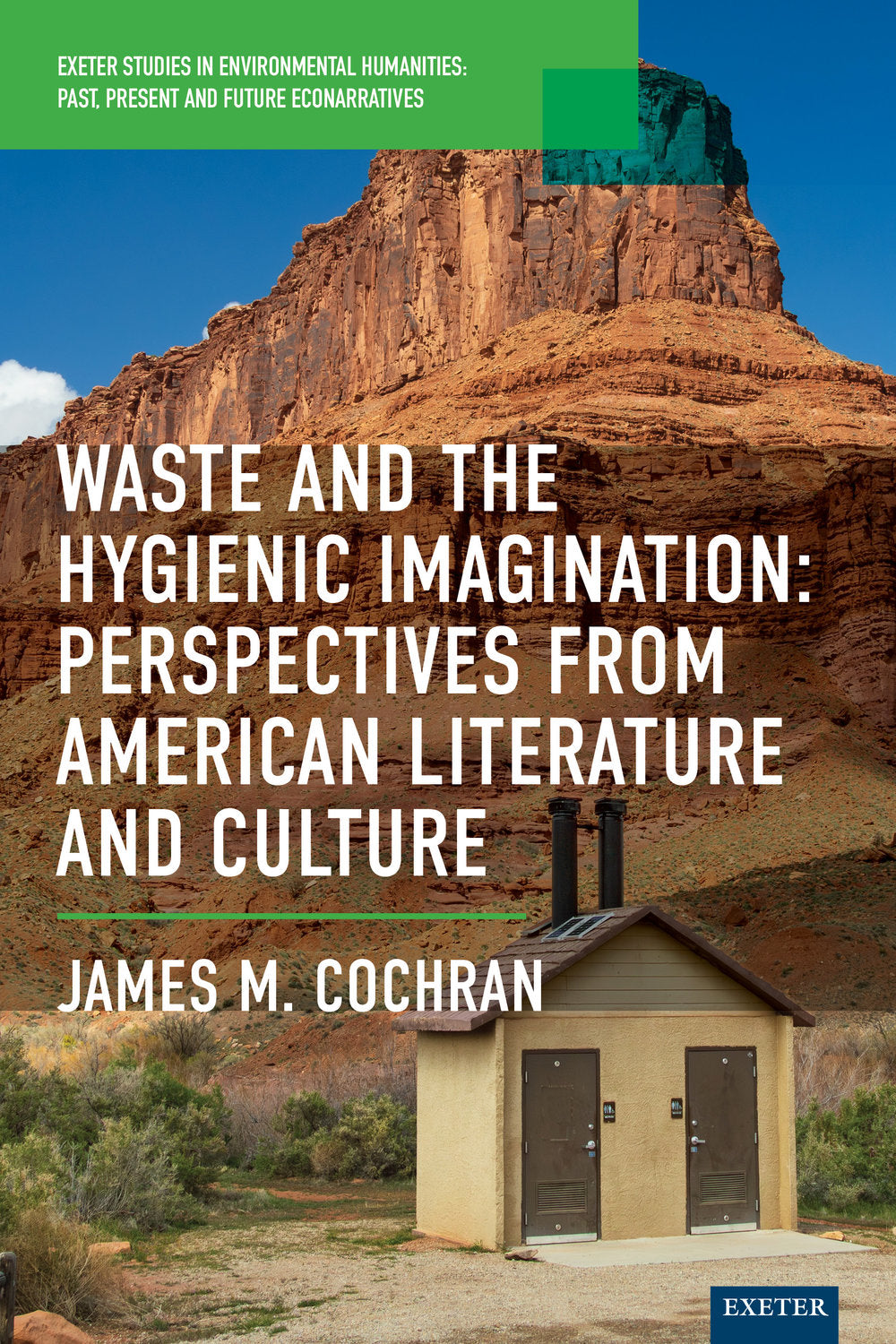
Waste and the Hygienic Imagination examines how American writers—including J.D. Salinger, John Rechy, María Amparo Escandón, Toni Morrison, Jennifer Egan, and Craig Finn—have imagined waste and hygienic spaces as sites of negotiation for cultural anxieties around race, gender, sexuality, class, and the environment. Centering on twentieth-century and contemporary literary and cultural texts, the book argues that waste is not just a material condition but also a rhetorical concept that has powerful implications for how society treats marginalized individuals and communities.
Drawing from literary analysis, cultural studies, queer theories, religious studies, environmental studies, and waste studies, the volume traces how bathroom spaces and sanitation systems are represented in American texts. The analysis reveals cultural tension between purity and contamination, privacy and publicity, containment and openness. Reading cultural and literary texts alongside popular culture, advertising, and histories of sanitation, the book argues that the authors—to differing extents—question, resist, and reject a hygienic imagination that links marginalized people with waste. Instead, these authors offer more affirming models of hygienic discourse that views waste as necessary for ecological communities.
Waste and the Hygienic Imagination will appeal to readers and scholars of American literature, environmental humanities, cultural studies, and waste studies. The book offers a new framework—the hygienic imagination—to help readers understand culture’s complicated relationship with waste and to examine their own attitudes toward waste, hygiene, and bathroom spaces.
Introduction
1. ‘Our Little Chapel’: Privacy, Productivity, and Public Space in J.D. Salinger’s Bathrooms
2. ‘You can rot here’: Cleansing Projects, Dirty Responses, and Sacred Waste in John Rechy’s Early Fiction
3. ‘Tucked up there in the Bottom’: Environmental Racism, ‘Funk-y’ Metaphors of Waste, and Historiography as Waste-Recovery
4. ‘She appears to me in a rust stain on my bathroom wall’: Bathroom Messages in María Amparo Escandón's Esperanza’s Box of Saints
5. ‘Our hands are dirty’: 9/11, Clean Music, and Polluted Spaces in Jennifer Egan’s A Visit From the Goon Squad
6. ‘I was in the bathroom doing my best to ascend’: Sacred yet Profane Bathroom Spaces in the Music of Craig Finn
Conclusion
- 212 Pages