









University of Exeter Press
Forging Tomorrow’s Military
How Battlefield Insights Influenced U.S. Military Innovation, 1941–1960
Couldn't load pickup availability
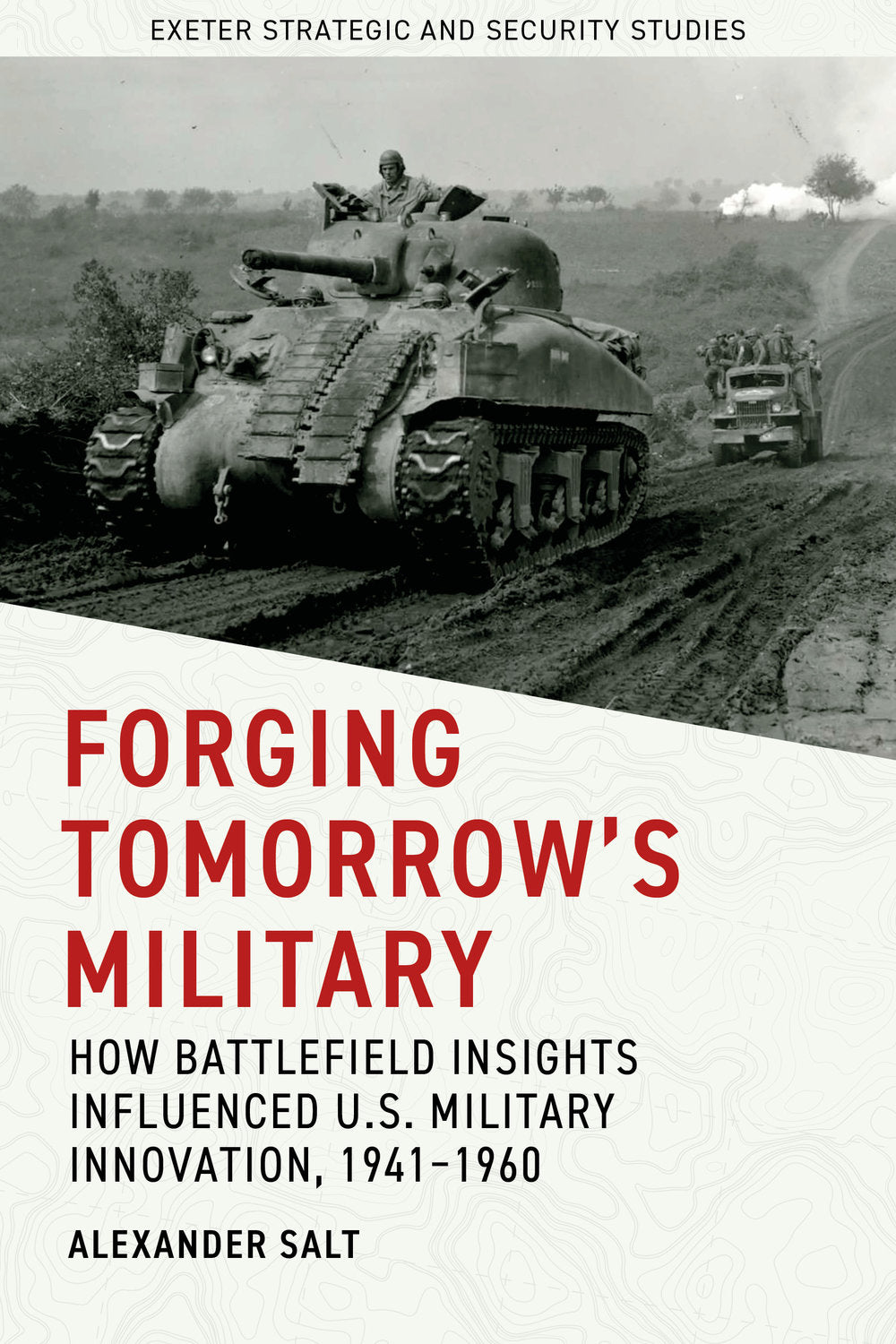


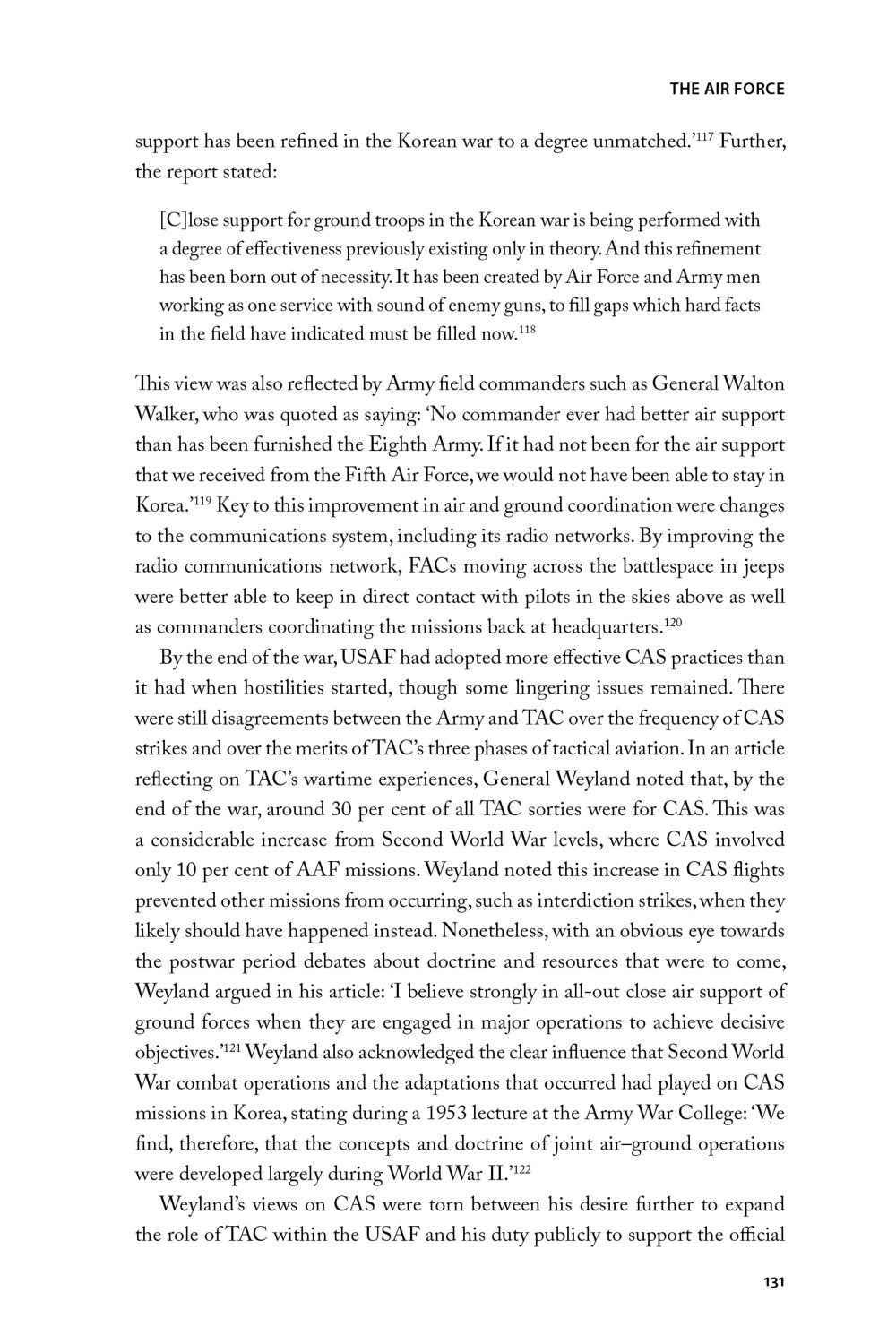
This book explores how the Second World War changed the U.S. military. It shows how frontline officers innovated and the ways in which those lessons were retained or forgotten during the Cold War. Failing to understand the lessons of war may cause militaries to repeat past failures, leading to increased costs in terms of resources and causalities. Western militaries have faced a range of difficulties on recent battlefields that they struggled to address, and they need to learn and retain the lessons of their experiences if they are to succeed in future conflicts. The current war between Russia and Ukraine has underscored the critical need for battlefield adaptation and highlighted the enduring value of preserving these crucial changes.
Forging Tomorrow’s Military addresses this by examining whether Second World War battlefield experiences influenced postwar innovation in the U.S. Army, Air Force, Navy, and Marine Corps. Blending theory and original archival research, the volume demonstrates how the U.S. military earned hard-fought lessons and then navigated the complexities of the early Cold War. The analysis reveals that these transformations were often driven by junior and midlevel officers, who, being closest to the frontlines, identified critical gaps and advocated for new ways to fight and win.
Valued reading for scholars, military professionals, and anyone interested in how armed forces prepare for future wars, this book offers urgent insights into the past struggles and future prospects of military learning in the aftermath of conflict.