









University of Exeter Press
Streetology
Politics of Popular Culture in a French Neighbourhood
Couldn't load pickup availability
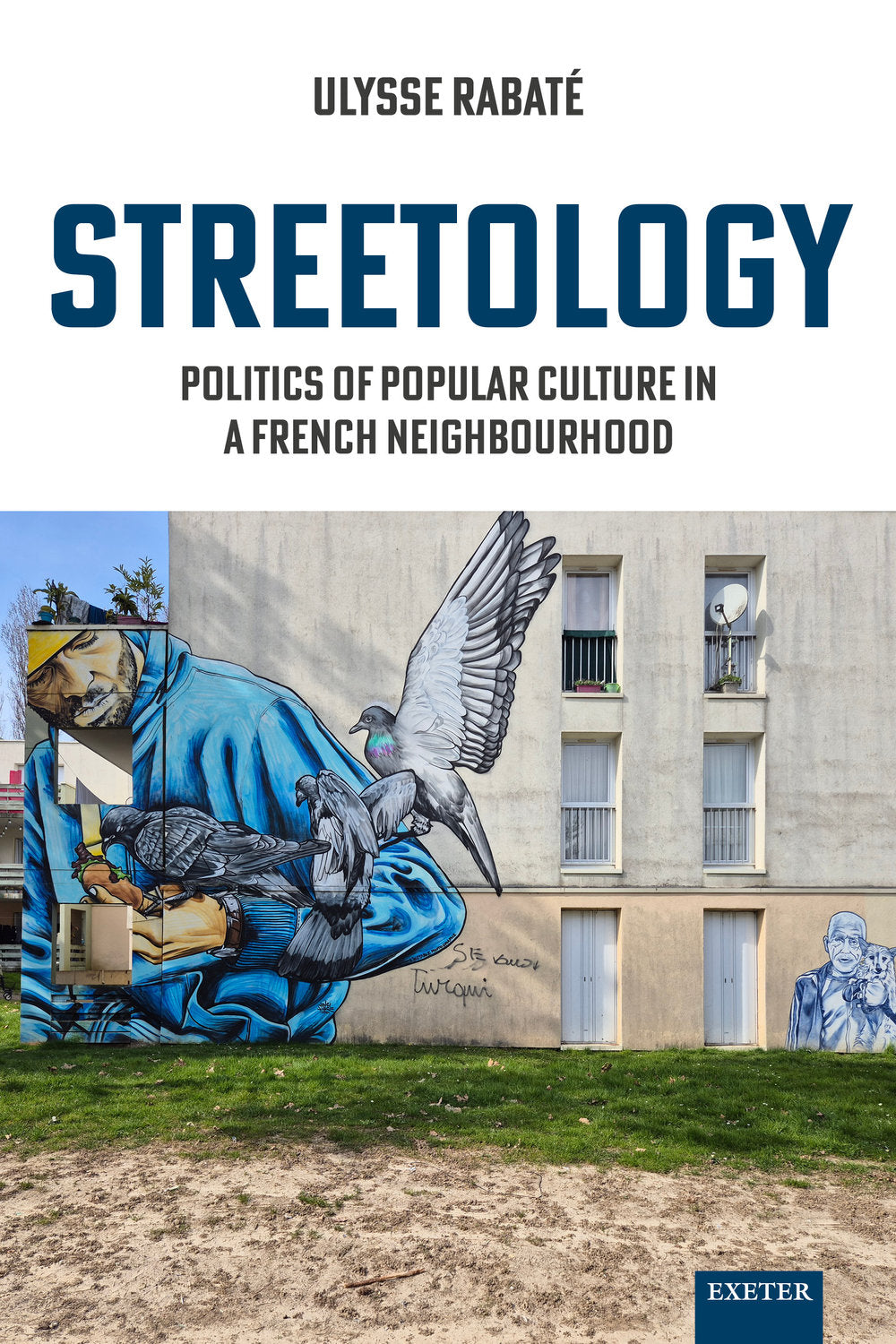


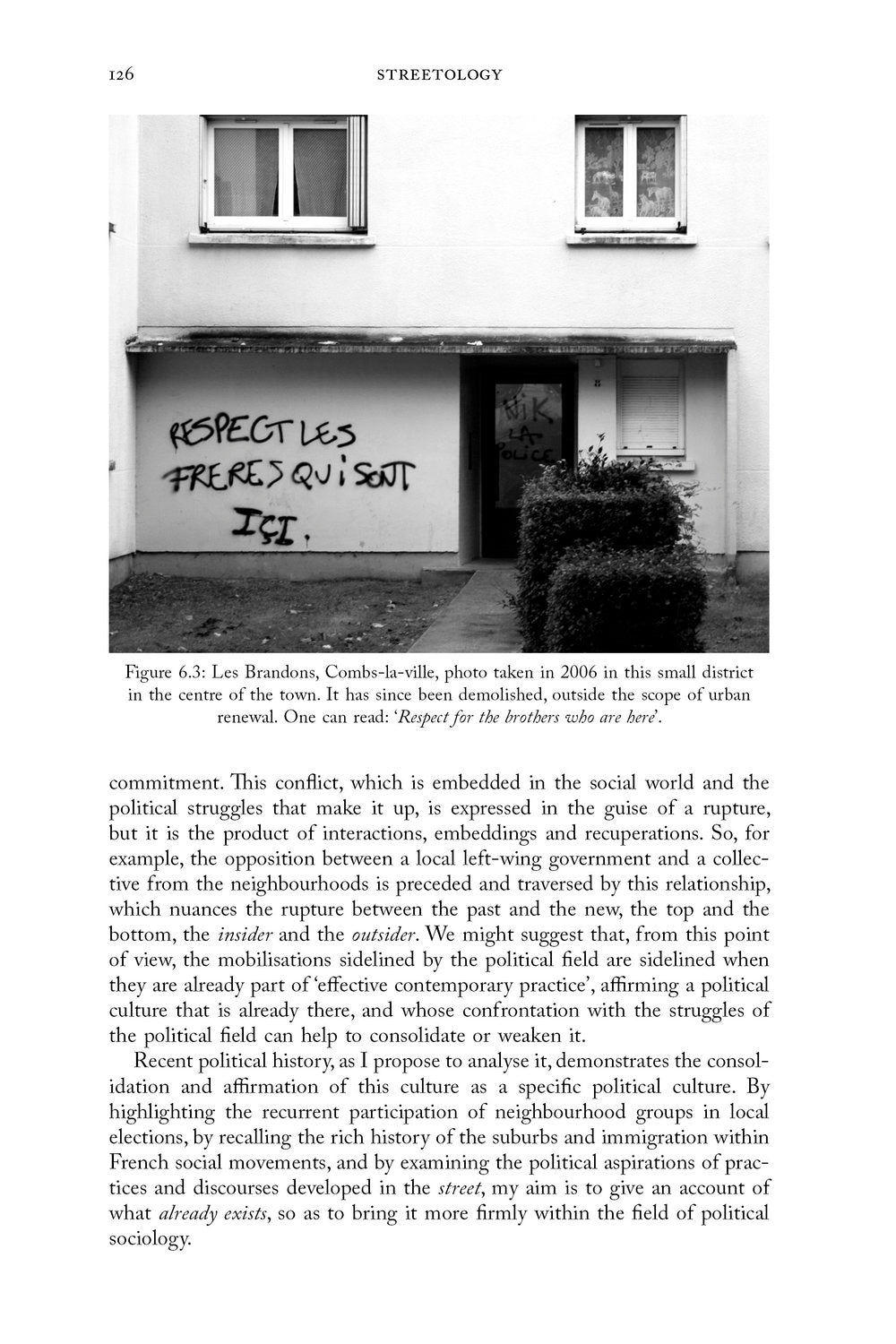
Streetology blows up a paradox: French working-class neighbourhoods are constantly dismissed as places 'empty' of politics and social norms, yet they have become a focal point of political debate. From urban uprisings and pandemic-era solidarity to the global resonance of French rap and mobilizations against police violence, the neighbourhood exerts an undeniable political force—yet its internal logic remains widely misunderstood.
This book introduces "streetology," an original analytical framework that treats political organizing and popular culture as two sides of the same coin. Drawing on first-hand ethnographic research in Corbeil-Essonnes, the author explores the grit and complexity of grassroots activism. These are considered alongside cultural artifacts of the "street"—from rap lyrics and series like The Wire and Top Boy to the films of Merawi Gerima—to show how they function as political manifestoes. By applying this lens, Rabaté reveals that popular culture is not just entertainment, but a vital tool for rethinking power in the modern West.
This book is aimed at a wide audience interested in popular culture and its influence on political issues.
Streetology reminds us that cities are not only shaped by planners, institutions or infrastructures, but also by the ordinary cultural practices through which people inhabit places and give them meaning. Ulysse Rabaté offers a rich and deeply original account of the political life of popular culture, showing how neighbourhoods are continuously made and remade through everyday experience. A remarkable contribution that geographers, urban scholars and anyone interested in contemporary cities will read with great interest.
Martine Drozdz, urban and cultural geographer and CNRS senior researcher, Maison Française d’Oxford
From his inquiries and personal involvement in everyday life in working-class neighbourhoods, Ulysse Rabaté establishes a new field of study: “Streetology”. Its purpose is to describe “street culture” as a framework of attitudes, discourses, knowledge and skills directly linked to the experience of discrimination. His groundbreaking analysis of self-organized demonstrations, riots, active resistance, artistic production and local events accounts for the logics of politicization proper to a form of life in which violence is ever-present and turns opposition to the norms of “others” as a vehicle for inner solidarity.
Albert Ogien, sociologist and director of research at the CNRS
Introduction: Thinking about working-class neighbourhoods: a French path worth discussing
Chapter 1: Moments of denial
Chapter 2: What can the social sciences do?
Chapter 3: Illusion of the disappearance of politics
Chapter 4: A culture of working-class neighbourhoods?
Chapter 5: Images of Streetology
Chapter 6: New conventions underpinned by new world views
Chapter 7: From chronicle to politics
Conclusion: The worst as a driving force?
- 202 Pages