









University of Exeter Press
Virginia Woolf & Cornwall
A Narrative of Belonging
Couldn't load pickup availability
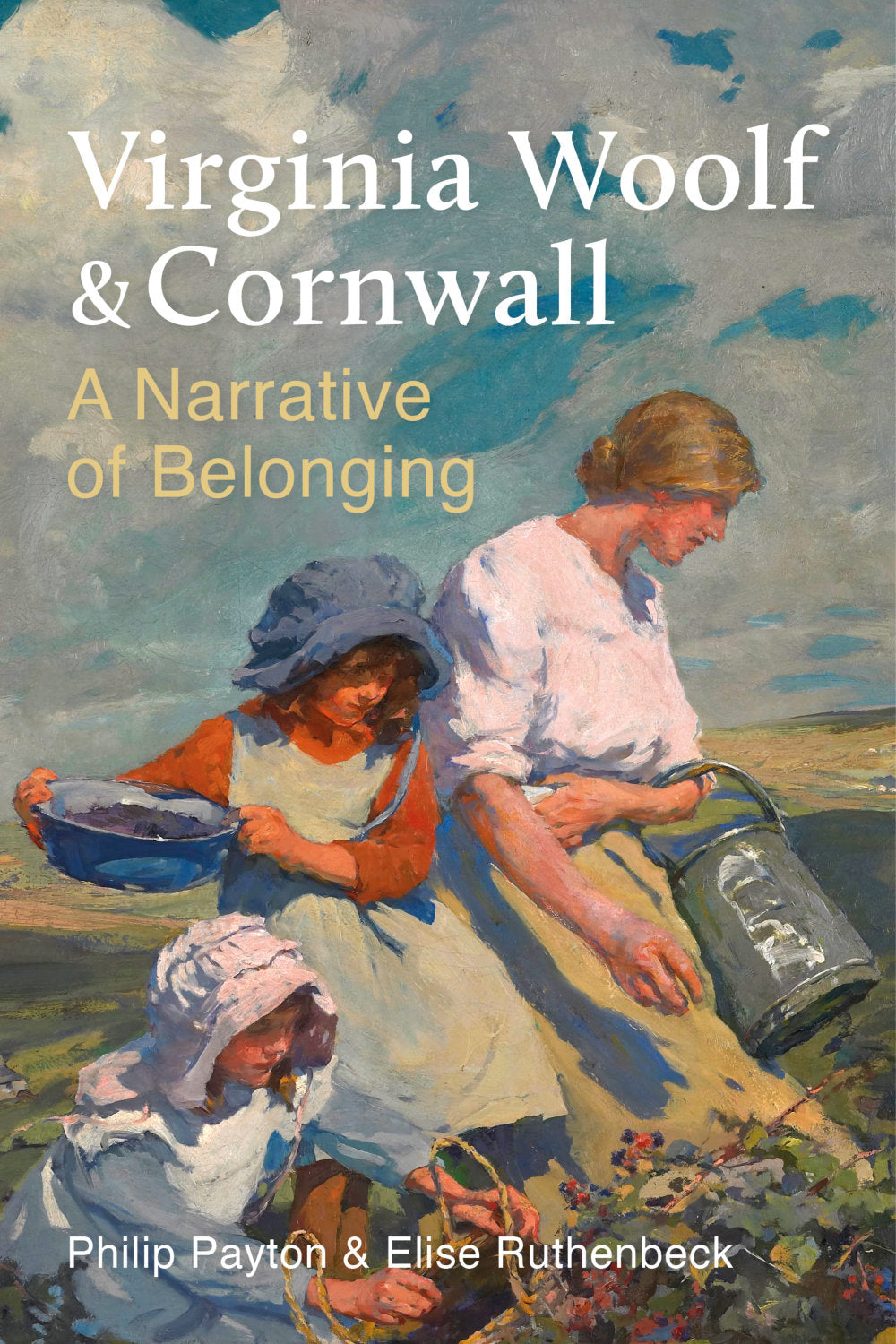
Beyond the ‘literary legend’ of Bloomsbury, there was another Virginia Woolf: a passionate enthusiast for things Cornish who considered herself ‘Cornish bred’ and the ‘original owner of Cornwall’. Tracing her desire to ‘belong’ in Cornwall, from her childhood days in St Ives to her later entwinement in the ‘Zennor mythos’, this book reveals Virginia Woolf’s deep attachment to Corrnwall, and especially its maritime communities. Drawing on her memoirs, diaries, letters and essays, Virginia Woolf & Cornwall explores in intimate detail her relationship with Cornwall and the Cornish. It includes her vivid account of the last great pilchard catch of 1905, which shows how thoroughly she grasped the methods, customs and problems of ‘seine’ fishing at St Ives. An antidote to illness and a refuge from the pressures of metropolitan life, Cornwall offered Woolf a restorative haven. It also profoundly shaped her literary output, informing her imagining of the ‘literary geography’ of Britain and underpinning much of her fiction, notably the three ‘Cornish novels’: Jacob’s Room, The Waves and, most famously, To the Lighthouse.
Philip Payton and Elise Ruthenbeck illuminate a significant but hitherto little understood dimension of Woolf’s life and work. Payton is the author of acclaimed ‘Cornish biographies’ of the historian A.L. Rowse, the former Poet Laureate John Betjeman, and the novelist D.H. Lawrence. Ruthenbeck is a leading authority on the novelist George Eliot and modern English literature. This book will appeal to all devotees of Virginia Woolf, and to all those interested in Cornwall and the Cornish.
Chapter 1 ‘I am the Original Owner of Cornwall’: Narratives of Belonging
Chapter 2 ‘only the Cornish bred’. Boundaries of Belonging
Chapter 3 ‘More remote from England than Spain or Africa’: St Ives Revisited
Chapter 4 ‘the best country in all Cornwall’: Zennor
Chapter 5 Three Cornish Novels